Top 5 Solutions to Ensure Your Website Reliability and Performance During Online Promotions
The holiday and shopping season, so do Black Friday approaches. Businesses are gearing up for one of the busiest online shopping days of the year. Black Friday, Cyber Monday and Christmas Sales in the USA present opportunities and challenges for businesses and is an event that businesses and consumers await. The most prevalent issues connected with it include possible website downtime and performance issues due to the overwhelming online traffic. Businesses must also maintain competitive pricing and promotions, handle increased customer service demands, and fortify cybersecurity measures during this high-stakes retail period.
Logistical challenges, such as coordinating order fulfillment and managing returns, add complexity. At the same time, businesses must stay agile to adapt to evolving consumer behavior, including the rise of online shopping and changing preferences. Successfully navigating the winter shopping season requires strategic planning, efficient operations, and a proactive approach to address these challenges. Businesses that can effectively manage these issues are better positioned to capitalize on the immense opportunities presented by one of the busiest shopping days of the year.
In this article, CloudScale365, a trusted IT solution provider to many online businesses in the United States, will present how to ensure your website’s reliability and performance during this peak period and capitalize on the influx of potential customers. Below, we focus on the top 5 IT solutions that will fortify your website and guarantee a seamless experience for users on Black Friday and holiday shopping.
Migrate to the Cloud
E-commerce websites, especially during peak shopping events like Black Friday and Cyber Monday, can significantly benefit from migrating to the cloud. The surge in online traffic and transaction volumes during Black Friday puts immense strain on traditional on-premises infrastructure, often resulting in slow response times, system crashes, and an overall poor user experience. Cloud solutions offer scalable and elastic resources that can dynamically adjust to handle varying workloads. By migrating to the cloud, eCommerce websites can ensure they have the necessary computational power, storage, and network capabilities to seamlessly accommodate the increased demand during Black Friday, thus preventing performance bottlenecks and maintaining a smooth shopping experience for customers.
Website load speed is directly correlated with user satisfaction and, ultimately, conversion rates. Slow-loading pages can drive potential customers away. Optimize your website’s performance by compressing images, leveraging browser caching, and minimizing the use of unnecessary scripts. The key things to observe in order to ensure your website speed is:
Use Page Speed Testing Tools: Employ online tools like Google PageSpeed Insights, GTmetrix, or Pingdom. They will analyze your website’s performance and provide detailed reports, including suggestions for improvement.
Evaluate Server Response Time: Server response time directly influences your website’s speed. Check your server response time and consider upgrading to a faster hosting plan or switching directly to the cloud to reduce latency.
Assess Image Optimization: Large, uncompressed images are a common problem of slow-loading pages. Optimize images by compressing them without compromising quality. Use image compression tools or Content Delivery Networks that automatically optimize images for web viewing.
Implement Browser Caching: Enable browser caching to store static files on a visitor’s device, reducing the need to reload assets on subsequent visits. This significantly speeds up page load times for returning users.
Prioritize Above-the-Fold Content: Load content above the fold (visible without scrolling) first to ensure a faster-perceived page load time. Delay loading non-essential content or images until the user scrolls down, improving the initial user experience.
Responsive Design for Mobile Optimization: Nearly half (42.9%) of all e-commerce purchases will be made via a mobile device, according to Shopify. As a result, paying attention to your website’s mobile purchasing process is critical for guaranteeing a stellar customer experience and reducing shopping cart abandonment in the process.
Implement Constant Performance and Uptime Monitoring
The key to preventing potential issues is early detection. Implementing constant performance and uptime monitoring tools allows you to identify and address any irregularities or performance bottlenecks proactively. By monitoring server response times, resource utilization, and overall website health, you can ensure a reliable online presence on Black Friday and winter sales and quickly address any emerging issues before they impact the user experience.
At CloudScale365, we recommend the following tools to evaluate your website speed and detect any possible downtime:
Google PageSpeed Insights: This tool by Google analyzes your website’s performance on both mobile and desktop devices. It provides a score and detailed suggestions to improve page speed. Google PageSpeed Insights is free to use and offers valuable insights into your site’s performance.
GTmetrix: GTmetrix is a comprehensive performance testing tool that provides insights into various performance metrics, including page load time, total page size, and the number of requests. It also offers recommendations for optimizing your website. GTmetrix allows you to test your site from different geographical locations and different browsers.
Pingdom: Pingdom is a popular website monitoring tool that checks the availability and performance of your website from multiple locations worldwide. It provides detailed reports on uptime, response time, and page speed. Pingdom also offers real user monitoring, helping you understand how actual users experience your site.
UptimeRobot: UptimeRobot is a simple yet effective tool for monitoring website uptime. It checks your website at regular intervals (every 5 minutes for the free plan) and sends alerts if it detects downtime. UptimeRobot supports multiple types of checks, including HTTP, HTTPS, Ping, and more.
Make Sure Your Site Is Mobile-Friendly
Shopify expects Mobile commerce volume to hit $620.97 billion by 2024. This means nearly half (42.9%) of all ecommerce purchases will be made via a mobile device. As a result, paying attention to your website’s mobile purchasing process is critical for guaranteeing a stellar customer experience and reducing shopping cart abandonment in the process.
Given the popularity of mobile devices for online shopping, optimizing your website for mobile users is essential. Responsive design ensures your website functions seamlessly across various devices and screen sizes. Conduct thorough testing to guarantee that navigation is intuitive, images load properly, and the overall user experience is consistent on desktop and mobile platforms.
Mobile-Friendly Navigation: Implement a mobile-friendly menu to simplify navigation for mobile users. Use a hamburger menu or other intuitive navigation elements that are easy to access and navigate with a touch interface. Ensure that buttons and links are appropriately sized for easy tapping.
Optimize Images for Mobile: Compress and optimize images to reduce the overall page size and improve loading times on mobile devices. Consider using responsive images and lazy loading techniques to ensure that images are loaded only when they are in the user’s viewport, reducing unnecessary data transfer.
Touch-Friendly Design: Design your website with touch interactions in mind. Ensure that buttons and clickable elements are appropriately sized and spaced to accommodate touch gestures. Avoid using hover-dependent features, as these don’t translate well to touch interfaces.
Optimized Forms for Mobile: Simplify and optimize forms for mobile users by minimizing the number of fields and utilizing mobile-friendly input types (such as email or number keyboards). Implement smart features like auto-fill and validation to enhance the user experience during the checkout process.
Test Across Multiple Devices: Regularly test your website across various mobile devices and browsers to ensure a consistent and optimized experience. Embrace device emulators and testing tools to identify and address any issues specific to certain devices or screen sizes.
Mobile-Friendly Checkout Process: Simplify the checkout process for mobile users to reduce friction. Implement a streamlined and user-friendly mobile checkout that minimizes the number of steps and provides clear instructions. Allow for guest checkouts and support various payment methods optimized for mobile devices.
Google’s Mobile-Friendly Test: Use Google’s Mobile-Friendly Test tool to assess how well your website performs on mobile devices. This tool provides insights and suggestions for improvements based on Google’s mobile-friendly criteria.
Implement Advanced Security Measures
Black Friday and winter sales attract eager shoppers and cyber threats seeking to exploit vulnerabilities. Implement robust security measures to protect your website and customer data. This includes using SSL encryption for secure transactions, updating software regularly, and investing in a Web Application Firewall (WAF) to detect and prevent malicious activities. A secure website not only safeguards your business but also enhances customer trust.
Read more about what we suggest for your cybersecurity here.
Winter sales like Black Friday, Cyber Monday, and Christmas sales are a make-or-break moment for many businesses, and ensuring your website’s reliability and performance is paramount. By embracing cloud migration, optimizing load speed, implementing constant monitoring, prioritizing mobile-friendliness, and fortifying security measures, you equip your website to handle the surge in traffic and deliver a flawless user experience. As you prepare for the Black Friday rush, these IT solutions will safeguard your digital storefront and set the stage for success in the competitive landscape of online retail.
A New Level of Connectivity and Enhanced Network Security for CloudScale365’s Customers
At CloudScale365, we are constantly striving to improve our network and services to provide the highest level of security and performance. The internet landscape is evolving rapidly, with cyber threats becoming more sophisticated. As part of our commitment to staying ahead in this dynamic environment, we are thrilled to announce our move to CloudFlare’s Magic Transit, a powerful network security solution.
Our NetOps team has been working hard in the last months, as part of our long-term strategy for improvement and innovation, and we are ready to take the next step towards a new level of network security and performance!
The Power of Magic Transit
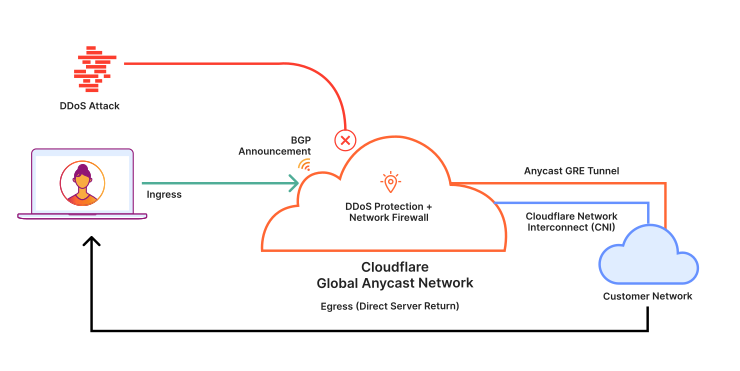
Magic Transit is Cloudflare’s network security solution that offers DDoS mitigation and traffic acceleration for entire IP subnets. Magic Transit comes with a built-in IP firewall and integrated performance benefits.
Cloudflare Magic Transit Works for on-premise, cloud, and hybrid networks. With data centers spanning 310 cities and over 209 Tbps in mitigation capacity, Magic Transit can detect and mitigate attacks close to their source of origin within 0-3 seconds (and less than 10 seconds on average) — all while routing traffic faster than the public Internet.
CloudFlare’s Magic Transit provides secure, performant, and reliable IP connectivity to the Internet. Out-of-the-box, Magic Transit is deployed in front of CloudScale365’s on-premise network and protects it from DDoS attacks enabling the provisioning of a full suite of virtual network functions, including advanced packet filtering, load balancing, and traffic management tools.
The Highest Level of Network Security
Moving to Magic Transit means that our entire network will be fortified with anti-DDoS capabilities from Cloudflare. DDoS attacks are a significant concern in today’s digital landscape, and Magic Transit helps mitigate these threats efficiently. Network security stands as a critical pillar of modern-day business operations, underpinning the integrity, confidentiality, and availability of sensitive data and digital assets. In any organization, various forms of sensitive data are handled daily, including customer information, financial records, intellectual property, and more. Robust network security measures ensure that this data is protected from unauthorized access, ensuring compliance with legal and regulatory requirements.
Cloudflare Magic Transit protects entire IP subnets from DDoS attacks, while also accelerating network traffic
“Magic Transit by Cloudflare has allowed us to take our network to the next level by opening new opportunities to expand our services, protect our customers against new threats, improve our overall speed for inbound and outbound traffic, and giving us better control over our subnets.”, said Sergio Gutierrez, Managing Director Hosting Division at CloudScale365.
Joining CloudFlare’s Global Network
By integrating Magic Transit into our infrastructure, we are now part of CloudFlare’s expansive global network. This means that our customers can leverage the scale and reach of CloudFlare’s network, leading to improved reliability and resilience. Being part of a vast network with a physical presence in numerous strategic locations worldwide enhances the efficiency of our services.
What Does This Change Mean For Your Services And How To Take Advantage?
As our migration is completed, our entire network is now protected with anti-DDoS solution from Cloudflare and is now part of their global network, which is delivered from a physical presence in 310 cities across over 120 countries. What this means is that threats are mitigated close to where they originate and not at our data center location
Traffic to your virtual machine will accelerate. Clean traffic is routed over Cloudflare’s network for optimal latency and throughput and is then routed privately from CloudFlare to our Data Centers. What this means is a major speed upgrade from and to your server!
We hope you enjoy the new level of security and performance, which will bring you ahead of your competitors!
CloudScale365 Expands Leadership Team, Naming Paul Glazewski as Director of MSP Operations
An IT industry veteran, Glazewski will develop and implement the company’s strategic business processes to streamline acquisitions and facilitate growth.
ORLANDO, Nov. 8, 2023 — CloudScale365, a leading provider of state-of-the-art managed IT services, announced today at IT Nation Connect that the company has hired Paul Glazewski as Director of MSP Operations.
In this role, Glazewski will develop and implement CloudScale365’s strategic business processes to streamline recent and future regional acquisitions and facilitate growth. Across its MSP and Hosting divisions, CloudScale365 has eight regional offices and four data centers servicing over 4,000 finance, healthcare, manufacturing, education, and professional services clients worldwide.
Before joining CloudScale365, Glazewski spent nearly two decades at SSD Technology Partners, one of Delaware’s oldest IT support service providers that Sourcepass acquired in 2022. During his tenure as Director of Service, Glazewski spearheaded professional services automation (PSA) and remote services (RM) offerings while ensuring seamless integration of several internal business processes.
“As we continue on a targeted growth trajectory, Paul will be instrumental in ensuring operational efficiency and customer satisfaction,” said Patrick Hannon, CEO of CloudScale365.
“Paul’s expertise in strategic planning and process optimization will play a critical role in his position at CloudScale365.”
“Our top goal is to be a true partner for our customers. In my conversations with Pat and the CloudScale365 team, it became clear that we shared a common vision and objectives,” said Glazewski. “What excites me most about this position is the opportunity to optimize business processes, cultivate leadership within our team, and create an environment where internal talent can thrive. This approach not only enhances our efficiency but also ensures that CloudScale365 is a valued partner to our clients.”
Media Contacts: Marketing Department CloudScale365, Inc. Tel: 214-997-1440 Email: marketing@cloudscale365.com
Will Financial Advisors Evolve or Perish with Technology? Addressing the Challenges Ahead
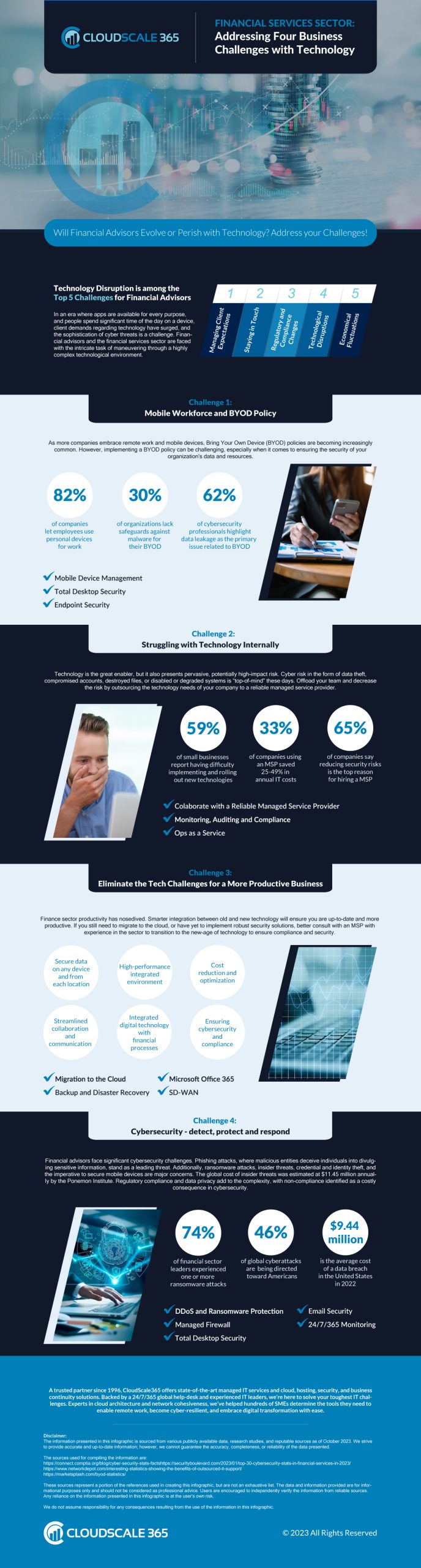
The financial advisory landscape is standing at the precipice of a technology-driven revolution. In a world where applications cater to every need and people spend a significant portion of their day on their digital devices, client expectations regarding technology have surged. Simultaneously, the sophistication of cyber threats has increased, presenting a significant challenge. Financial advisors and the broader financial services sector face the intricate task of navigating this change and adapting to the increasing customer’s requirements and expectations. This infographic delves into the top challenges faced by financial advisors and explores how they can evolve to not only survive but thrive in this era of technological transformation with the smart help of managed services.
Challenge 1: Embracing a Mobile Workforce and BYOD Policy
The advent of remote work and the prevalence of mobile devices have led to the rise of Bring Your Own Device (BYOD) policies. However, ensuring the security of organizational data and resources in this scenario remains a significant challenge. Recent statistics highlight the extent of this challenge:
82% of companies permit employees to use personal devices for work.
30% of organizations lack adequate safeguards against malware for their BYOD.
62% of cybersecurity professionals identify data leakage as a primary concern linked to BYOD.
To mitigate this challenge, financial advisors need to prioritize robust Mobile Device Management (MDM) solutions, total desktop security, and comprehensive endpoint security. Working closely with Managed Service Providers (MSPs) can provide the expertise and technological infrastructure necessary to secure a mobile workforce effectively.
Technology is a powerful enabler, but it also poses pervasive and potentially high-impact risks. Cyber threats in the form of data theft, compromised accounts, or disrupted systems pose significant concerns. Many financial advisory firms are now considering outsourcing their technology needs to reliable managed service providers (MSPs) to mitigate these risks. Key statistics pertaining to this challenge are:
59% of small businesses struggle with implementing and rolling out new technologies.
33% of companies utilizing an MSP report significant cost savings in annual IT expenditures.
65% of companies cite the reduction of security risks as a primary motivation for hiring an MSP.
Collaborating with a reliable managed service provider can provide financial advisors with the expertise and support necessary to navigate the technological landscape effectively. MSPs can offer comprehensive solutions including network security, proactive monitoring, and efficient tech deployment, allowing financial advisors to focus on their core functions.
Challenge 3: Overcoming Technological Hurdles for a More Productive Business
Productivity within the finance sector has faced a downturn, necessitating smarter integration of both old and new technologies. This integration can help financial advisors stay current and enhance productivity. Key benefits encompass:
Secure data access from any device and location
Streamlined collaboration and communication
Cost reduction and optimization
Enhanced cybersecurity and compliance
Transitioning to the new age of technology and seeking guidance from experienced MSPs can ensure a smooth transition and bolster productivity. MSPs can provide tailor-made solutions, facilitate cloud migration, and ensure compliance with industry standards, helping financial advisors embrace the digital future.
Challenge 4: Cybersecurity – Detect, Protect, and Respond
Cybersecurity remains a critical concern for financial advisors. Phishing attacks, ransomware assaults, insider threats, and identity theft represent significant threats. The cost of cyber threats is substantial, emphasizing the importance of a robust cybersecurity strategy. Pertinent statistics include:
74% of financial sector leaders have experienced one or more ransomware attacks.
46% of global cyberattacks are targeted towards Americans.
The average cost of a data breach in the United States in 2022 was $9.44 million.
Financial advisors must invest in email security, round-the-clock monitoring, managed firewalls, and comprehensive desktop security to fortify against cyber threats. Partnering with MSPs specialized in cybersecurity can provide financial advisors with the necessary expertise to detect, protect against, and respond to evolving cyber threats effectively.
In conclusion, the question of whether financial advisors will evolve or perish with technology is critical and timely. Embracing the right technology and partnering with trusted allies like CloudScale365, which offers managed IT services and expertise in cloud hosting, security, and business continuity, can be instrumental in navigating these challenges successfully. By proactively addressing these challenges and leveraging the expertise of MSPs, financial advisors can not only survive but thrive in this evolving landscape of technology in the financial services sector.
Deep Dive Into Endpoint Security: EPP vs. EDR vs. XDR
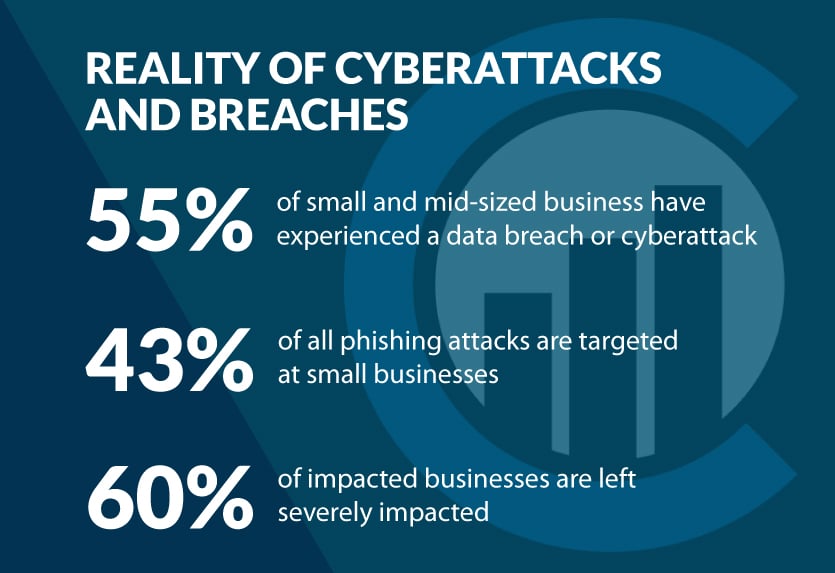
55% of small and mid-sized businesses have experienced a data breach or a cyberattack. 60% of the affected businesses are severely impacted by an attack they experienced. The most common attacks that SMBs experience are ransomware, identity theft, phishing, and spam.*
In today’s rapidly evolving cybersecurity landscape, where more and more people work remotely on their own unsecured devices, protecting your organization’s endpoints is of paramount importance. Endpoints, which include computers, mobile devices, and servers, are often the primary targets of cyberattacks. To defend against these threats effectively, it’s essential to understand the different types of endpoint protection solutions available.
This article will explore three key approaches to endpoint security: EPP (Endpoint Protection Platform), EDR (Endpoint Detection and Response), and XDR (Extended Detection and Response). In addition, we will showcase the custom approach and solutions which CloudScale365 has developed thanks to our long-lasting experience in helping companies to ensure their compliance and online security.
What is EPP – Endpoint Protection Platform
Endpoint Protection Platforms, or EPPs, are comprehensive security solutions designed to safeguard endpoints from various threats, including malware, ransomware, and phishing attacks. EPPs offer a wide range of security features, making them an all-in-one solution for endpoint security. The key components of EPP are:
Antivirus and Anti-malware: EPPs include robust antivirus and anti-malware capabilities to detect and remove known threats.
Firewall: Many EPPs come with a built-in firewall to monitor and control network traffic on endpoints, preventing unauthorized access.
Email and Web Security: EPPs often include email filtering and web security features to protect against phishing attempts and malicious websites.
Device Control: EPPs allow administrators to manage and control devices connected to the network, reducing the risk of data breaches.
Endpoint Encryption: Some EPPs offer encryption capabilities to secure sensitive data stored on endpoints.
EPP is the go-to choice if you’re looking for comprehensive endpoint security in a single solution. It’s suitable for organizations that prioritize prevention and want an all-in-one package that includes antivirus, anti-malware, firewall, device control, and more. EPP is a good fit for organizations with limited security staff or those looking for a straightforward solution.
EDR – Endpoint Detection and Response
Endpoint Detection and Response, or EDR, takes a more proactive approach to endpoint security. Instead of solely focusing on prevention, EDR solutions focus on detecting and responding to advanced threats. Key features of EDR include:
Real-time Monitoring: EDR solutions continuously monitor endpoint activities and network traffic to detect suspicious behavior and potential threats.
Threat Hunting: Security teams can use EDR tools to actively search for indicators of compromise and advanced threats within the network.
Incident Response: EDR platforms provide incident response capabilities, enabling organizations to contain and mitigate threats quickly.
Forensics: EDR solutions offer detailed forensic analysis, helping organizations understand the scope and impact of security incidents.
Behavioral Analysis: EDR tools use behavioral analysis to identify anomalies and deviations from normal endpoint behavior, flagging potential threats.
EDR is ideal for organizations with advanced security needs and a dedicated security team. Choose EDR if you want to proactively detect and respond to sophisticated threats, perform real-time monitoring, and conduct threat hunting. EDR solutions are more hands-on and require active threat analysis and response capabilities.
XDR – Extended Detection and Response
Extended Detection and Response, or XDR, represents the evolution of endpoint security. It takes a broader and more holistic approach by integrating data and threat intelligence from multiple sources, not just endpoints. XDR solutions provide a comprehensive view of the entire security landscape and enable cross-platform threat detection and response. Key components of XDR include:
Integration: XDR platforms consolidate data from various security tools, including EPP, EDR, SIEM (Security Information and Event Management), and network security solutions.
Analytics: XDR leverages advanced analytics and machine learning to identify complex threats and correlate data across different security layers.
Automation: XDR platforms automate threat detection and response processes, enabling faster and more efficient incident mitigation.
Threat Intelligence: XDR solutions incorporate threat intelligence feeds and data from external sources to enhance threat detection.
Cloud and SaaS Support: XDR extends protection to endpoints in cloud environments and SaaS applications, addressing modern workplace security challenges.
XDR is the choice for organizations seeking a holistic, cross-platform security approach. If you require integration of data and threat intelligence from various security tools, want to automate threat detection and response, and need a unified view of your security landscape, XDR is the way to go. XDR is best suited for larger enterprises and organizations with complex security needs.
Which one to choose: EPP, EDR or XDR
The question here is not which one to choose but how to combine them! For example, you might use EPP for foundational endpoint protection, EDR to proactively detect and respond to advanced threats, and XDR to integrate and orchestrate security across the entire environment. The right choice depends on your organization’s size, budget, security posture, and the level of protection required to defend against evolving cyber threats.
For example, EPP solutions may struggle to detect sophisticated or zero-day threats. They are more reactive compared to EDR and XDR solutions, as they primarily rely on signature-based detection. On the other hand, EDR solutions require a dedicated security team with the expertise to manage and respond to alerts. Setting up and fine-tuning EDR systems can be complex. On the contrary, XDR solutions can be more expensive and may require significant resources for implementation and maintenance. It is often more suitable for larger organizations with complex security needs.
At CloudScale365, we strongly recommend you get in touch with a managed service provider who can build a tailored strategy based on your company, size, budget, and vulnerability so that you do not spend money and time.
Total Desktop Security by CloudScale365
CloudScale365 combines best-of-breed security solutions and innovations to build a product that can cover all your security needs and provide a guarantee for the safety of your data, accounts, and business. We base our endpoint security and monitoring solutions on three market-leading vendors – Datto, Sentinel One, and Huntress.
Datto RMM – Simplify IT Management, Maximize Efficiency
Datto RMM is a comprehensive remote monitoring and management platform that empowers us to proactively monitor, manage, and support entire IT infrastructures. With its advanced capabilities, it can do the following.
Remote Monitoring: Monitor the health, performance, and availability of servers, workstations, and network devices in real-time from a centralized dashboard.
Patch Management: Automate and streamline the patching process for operating systems and software applications across multiple endpoints, reducing vulnerabilities and enhancing security.
Scripting and Automation: Create custom scripts and automate routine tasks, saving time and improving operational efficiency.
Remote Control: Remotely access and control endpoints to provide technical support and troubleshoot issues without the need for physical presence.
Asset Management: Track hardware and software assets, maintain accurate inventories, and manage license compliance to optimize resource allocation.
Proactive Monitoring and Alerts: Receive proactive notifications and alerts about system health, performance issues, or security threats, enabling swift response and issue resolution.
Reporting and Analytics: Generate comprehensive reports on system performance, security status, and other key metrics to gain insights and make informed decisions.
Endpoint Security: Integrate with third-party antivirus solutions to manage and monitor endpoint security, ensuring protection against malware, viruses, and other threats.
Patch Approval and Deployment: Review and approve patches before deployment, ensuring compatibility and minimizing the risk of disruptions or compatibility issues.
Sentinel One â Next-Generation Endpoint Protection
Sentinel One is a game-changer in desktop security. By harnessing the power of AI and machine learning, Sentinel One offers real-time prevention, detection, and automated response to the most sophisticated cyber threats.
Next-Generation Endpoint Protection: Provides advanced protection against a wide range of threats, including malware, ransomware, fileless attacks, exploits, and other sophisticated threats.
AI-Powered Threat Detection: Utilizes artificial intelligence and machine learning algorithms to detect and block emerging threats in real-time, offering proactive defense against unknown and zero-day attacks.
Behavioral-Based Analysis: Analyzes the behavior of files and processes on endpoints to identify malicious activities and anomalies, enabling early threat detection and response.
Endpoint Detection and Response (EDR): Offers comprehensive EDR capabilities to provide visibility into endpoint activities, investigate incidents, and respond to security breaches swiftly.
Automated Threat Remediation: Automatically mitigates identified threats, containing and neutralizing them to minimize the impact and prevent the spread across endpoints.
Single-Agent Architecture: Consolidates multiple security functionalities into a single lightweight agent, reducing resource consumption and simplifying deployment and management.
Threat Intelligence Integration: Integrates threat intelligence feeds and shares data with security platforms, enhancing its ability to identify and block known malicious indicators.
Incident Response Playbooks: Provides predefined incident response playbooks or allows custom playbook creation, guiding security teams through effective response and remediation processes.
Forensic Analysis and Reporting: Conducts in-depth forensic analysis on endpoint events and generates comprehensive reports, aiding in incident investigation, compliance, and post-incident analysis.
Endpoint Hardening and Prevention: Helps organizations strengthen their security posture through proactive measures such as application control, device control, and system hardening.
While traditional security measures focus on preventing initial attacks, Huntress takes a proactive approach to identify and eliminate persistent threats that may already be lurking in your environment.
Post-Exploitation Detection: Focuses on detecting and mitigating persistent threats and post-exploitation activities that may go unnoticed by traditional security measures.
Hidden Threat Identification: Proactively identifies hidden vulnerabilities and indicators of compromise (IOCs) in your environment to uncover ongoing attacker activities.
Endpoint Visibility: Provides deep visibility into endpoint behaviors, processes, and network connections, allowing for early threat detection and response.
Threat Hunting Capabilities: Conducts proactive threat hunting to identify stealthy and sophisticated threats that may have evaded initial security defenses.
Actionable Insights: Delivers detailed reports and actionable insights on discovered threats, enabling prompt remediation and security improvements.
Remediation Guidance: Offers clear guidance and recommendations on how to address identified security issues, assisting in efficient threat response and mitigation.
Continuous Monitoring: Provides continuous monitoring of endpoints to identify any changes or suspicious activities that may indicate potential security breaches.
Incident Response Support: Assists in incident response efforts by providing real-time alerts, investigative data, and context to aid in rapid incident containment and resolution.
In conclusion, ensuring end-to-end security and monitoring is a complex activity, which many SMBs would need to outsource to reliable IT solution providers so that they can be sure they are really protected and not just spending money and time with multiple vendors.
Disaster Recovery Compliance in the Financial Sector: How a Managed Service Provider Can Help
The financial industry faces a rapidly changing landscape shaped by technological advancements and evolving regulations. Digital transformation continues to reshape the industry, with financial institutions investing heavily in technology to enhance customer experiences, streamline operations, and improve efficiency. Fintech startups are disrupting traditional banking models, offering innovative solutions in areas such as payments, lending, and investing. Regulatory scrutiny remains high, focusing on consumer protection, data privacy, and cybersecurity.
Financial companies are navigating complex compliance requirements, such as the Gramm-Leach-Bliley Act (GLBA), Payment Card Industry Data Security Standard (PCI DSS), Fair Credit Reporting Act (FCRA) and more. They face a wide range of technical challenges impacting operations and security. Cybersecurity threats keep evolving, challenging businesses with sophisticated hacking attempts, data breaches, and ransomware attacks. Financial institutions must continually invest in robust cybersecurity measures to protect their client’s data and maintain trust.
Navigating through the complexities of managing and integrating various software systems, legacy infrastructure, and data silos can hinder operations and your firm’s innovations. Keeping up with emerging technologies, such as artificial intelligence and blockchain, present both opportunities and challenges for financial institutions. They require evolving systems and processes, which leverage the benefits of these tools while also addressing their potential risks.
Key Regulations for the Financial Sector in the USA
The following is information on the rigorous compliance requirements that our financial institutions must meet regarding disaster recovery: Gramm-Leach-Bliley Act (GLBA): The GLBA mandates that financial institutions protect the privacy and security of customers’ personal financial information. It requires companies to develop and implement information security programs and disclose their data-sharing practices to customers. While the act does not specifically outline backup requirements, it emphasizes the need for data protection measures to ensure the confidentiality and integrity of customer information. If you don’t have a backup, you cannot ensure the integrity of customer information if it is lost.
Federal Financial Institutions Examination Council (FFIEC) Guidelines: The FFIEC provides financial institutions guidelines and examination procedures, including data backup procedures. It emphasizes the importance of maintaining comprehensive backup and recovery capabilities as part of the institution’s business continuity and disaster recovery planning.
Securities and Exchange Commission (SEC) Regulations: The SEC regulates the securities industry and requires financial firms to implement effective controls to protect investor data. While there are no specific backup requirements, financial companies are expected to have data protection measures, including backups, in place to safeguard sensitive information.
Commodity Futures Trading Commission (CFTC) Regulations: The CFTC oversees the commodity futures and derivatives markets in the US. Financial companies operating in these markets must comply with CFTC regulations, which include data protection and security measures. Although there are no explicit backup requirements, robust backup processes are considered a best practice for protecting critical data.
State Data Breach Notification Laws: Many US states have their own data breach notification laws that impose requirements on financial companies to protect personal information and promptly notify affected individuals in the event of a data breach. Implementing secure backup processes is essential for compliance with these laws and mitigating the impact of potential breaches.
PCI Compliance: The PCI Security Standards Council (PCI SSC) is a global forum that brings together payments industry stakeholders to develop and drive the adoption of data security standards and resources for safe payments worldwide.
PCI compliance in the USA refers to adherence to the Payment Card Industry Data Security Standard (PCI DSS), which applies to organizations that handle payment card data. PCI compliance is crucial for protecting cardholder information, reducing the risk of data breaches, and maintaining the trust of customers and partners. It involves implementing a comprehensive set of security controls, including secure network architecture, data encryption, access controls, regular monitoring, and vulnerability management.
Financial institutions need to consult with legal and compliance professionals to understand the specific requirements applicable to their business. Then the next step would be consulting with a Managed Service Provider, who can advise you accordingly to meet your disaster recovery requirements as well as other compliance regulations for IT.
Managed IT Solutions to Meet Critical Regulations
CloudScale365 offers a comprehensive product lineup tailored to each of our financial services clients to meet their unique regulatory needs. These include the following:
Custom Backup Solutions: At CloudScale365 we design and implement robust data recovery solutions tailored to the specific needs of financial institutions. This includes establishing automated backup processes, defining backup schedules, and ensuring critical data’s secure storage and retrieval. We offer a variety of backup flavors. In addition, we are a blue diamond technical partner with Datto. in cooperation with our partners from Datto, we deliver FREE Datto Siris BCDR Appliances right to your office.
Defying Data Retention Policies: At CloudScale365 we assist financial companies in developing and implementing data retention policies aligned with regulatory requirements. This involves determining the appropriate duration for data retention, ensuring proper archival and retrieval mechanisms, and facilitating secure data disposal when necessary.
Regular Data Backup Monitoring and Testing: Our Ops Team proactively monitor your existing backup systems to ensure their proper functioning. We verify the effectiveness of backup processes and ensure data recoverability in case of an incident.
Compliance Audits and Reporting: Our team can support financial institutions during compliance audits by providing documentation, reports, and evidence of data backup processes.
Disaster Recovery Planning: CloudScale365 collaborates with financial companies to develop comprehensive disaster recovery plans, which outline procedures for data recovery and system restoration in the event of a disruption or disaster. This includes defining recovery time objectives (RTOs) and recovery point objectives (RPOs) to minimize downtime and data loss.
Security and Encryption: Our experienced Ops Team implements robust security measures, such as data encryption, access controls, single-sign-on solutions and more to protect backed-up financial data. We employ industry best practices to safeguard sensitive information and maintain compliance with data protection regulations.
We understand that the financial industry faces complex operational frameworks, increasing security threats, and escalating compliance requirements. Our deep understanding of these challenges and the expertise of our Ops Team allow us to build solutions tailored to your organization’s business goals and requirements. Get in touch with us to get an initial consultancy.
Defending Against Clop Ransomware: What is the Risk and How to Mitigate Ransomware Attacks
Ransomware has emerged as one of the most significant cybersecurity threats in recent years, targeting individuals, businesses, and even government institutions. This malicious software is designed to encrypt files and restrict access to critical data, rendering it unusable until a ransom is paid to the attackers. Ransomware attacks can have devastating consequences, causing financial loss, operational disruptions, and compromising sensitive information. As cybercriminals continue to evolve their tactics, understanding the nature of ransomware and implementing robust security measures becomes crucial to protect against this pervasive threat.
Clop Ransomware – hitting schools, businesses and government agencies in the USA
A growing number of businesses, universities and government agencies have been targeted in a global cyberattack, and it is now unknownhow much data was compromised, according to CNN.
While the scope of the attack is not yet fully known, officials at the US Cybersecurity and Infrastructure Security Agency (CISA) said Thursday that “several federal agencies… have experienced intrusions” and suggested a number of businesses could be impacted as well.
Late Thursday, state agencies independently disclosed significant data breaches affecting millions of individuals in Louisiana and Oregon. While the states did not blame the security breach for any specific entity, federal authorities have linked this incident to a wider hacking campaign executed by a Russian ransomware group self-identifying as Clop.
Notably, Clop has previously taken responsibility for hacking operations that compromised employee data at prominent organizations such as the BBC and British Airways. Both companies have acknowledged experiencing cybersecurity incidents stemming from breaches within a shared human resources firm utilized by both entities.
The Origin of Clop Ransomware
Clop ransomware is a sophisticated and highly destructive form of ransomware. It is known for its aggressive encryption capabilities and targeting of large organizations and businesses. Clop ransomware is part of the CryptoMix ransomware family and derives its name from the “.clop” extension it adds to encrypted files.
Clop ransomware typically spreads through phishing emails, exploit kits, or by exploiting vulnerabilities in software and systems. Once it infects a system, it encrypts many file types, including documents, images, videos, databases, and more. It employs strong encryption algorithms to ensure that the files cannot be accessed without the unique decryption key.
After completing the encryption process, Clop ransomware leaves ransom notes, usually in the form of text files or HTML documents, in each encrypted folder. These ransom notes contain instructions on how to contact the attackers and pay the ransom, which is typically demanded in the form of Bitcoin or other cryptocurrencies. The ransom demands are often high, targeting organizations that can potentially afford to pay significant amounts.
How Does Ransomware Work?
Ransomware is malicious software designed to encrypt files and restrict access to them until a ransom is paid to the attackers. It usually works as follows:
Delivery: Ransomware is usually delivered through various methods, including phishing emails, malicious attachments, infected websites, or exploit kits that target software vulnerabilities. The initial infection vector often relies on social engineering techniques to trick users into opening an infected file or clicking on a malicious link.
Execution: Once the ransomware enters a system, it executes its code and starts its malicious activities. It may create copies of itself in different locations to ensure persistence and evade detection by security software. It also establishes communication with the command-and-control servers controlled by the attackers.
File Encryption: Ransomware scans the victim’s files, including documents, images, databases, and more. It uses strong encryption algorithms to encrypt these files, making them unreadable and inaccessible without the decryption key held by the attackers. The encryption process is often quick and efficient, targeting many file types to maximize the impact.
Ransom Note: Ransomware typically leaves a ransom note on the victim’s system after encrypting the files. This note informs the victim about the encryption and provides instructions on paying the ransom to obtain the decryption key. The note may also include threats of permanent data deletion or the publication of sensitive information to pressure the victim into paying.
Ransom Payment: The attackers usually demand payment in cryptocurrency, such as Bitcoin, to maintain their anonymity. They provide specific instructions on how to make the payment, often through a Tor network or a hidden website, to hinder tracing their identity or location. Payment deadlines and consequences for non-compliance are often emphasized to compel the victim further to pay.
Decryption (sometimes): If the victim decides to pay the ransom, they may receive a decryption key or tool from the attackers. However, there is no guarantee that the attackers will provide a working decryption solution.
Mitigating Clop Ransomware Risk
Related to the recent Clop Ransomware, CISA has outlined four essential strategies to reduce the risk posed by Clop ransomware and address the specific attack targeting MOVEit Transfer.
The best practices listed in the CVE-2023-34362 advisory, include the following:
Take an inventory of assets and data, identifying authorized and unauthorized devices and software.
Grant admin privileges and access only when necessary, establishing a software “allow list” that only executes legitimate applications.
Monitor network ports, protocols, and services, activating security configurations on network infrastructure devices, such as firewalls and routers.
Regularly patch and update software and applications to their latest versions and conduct regular vulnerability assessments.
CloudScale365’s Advice on How to Mitigate the Risk of Ransomware
Ransomware attacks can have severe consequences for organizations. Victims may face substantial financial losses, reputational damage, and legal implications. Moreover, disrupting critical systems and services can lead to operational downtime and significant productivity losses. Mitigating the risk of ransomware requires a multi-layered approach, including regular data backups, robust cybersecurity measures such as firewalls and antivirus software, employee education and awareness programs, and proactive vulnerability management.
At CloudScale365, we recommend the following best practices to mitigate the risk for your business:
Ensure regular data backups
Update and patch software
Implement strong endpoint protection
Use robust Firewalls
Ensure your Network Security
Deploy email security measures
Enable multi-factor authentication
Increase user education and awareness
Restrict user privileges
Make regular vulnerability assessments
In addition, we strongly recommend all enterprise users to prepare an Incident Response Plan to ensure a swift and effective response in case of a ransomware attack. An Incident Response Plan (IRP) is a comprehensive strategy that outlines the steps to be taken in the event of a ransomware attack. It serves as a proactive approach to handling security incidents effectively and minimize the impact on an organization.
The IRP typically includes steps for incident detection, containment, eradication, recovery, and post-incident analysis. It also designates specific roles and responsibilities, establishes communication channels, and provides guidance on reporting the incident to relevant stakeholders, such as internal teams, law enforcement, or third-party incident response providers. The purpose of an IRP is to minimize the damage caused by an incident, facilitate a swift response, and restore normal operations as quickly as possible.
Fortifying Enterprise Desktops: Safeguarding Data and Mitigating Breaches with Total Desktop Security
An IBM study in 2022 states, “83% of organizations have experienced at least one data breach”. Don’t wait to secure your desktops & network infrastructure before it is too late. Ensure you are safe from attacks, data breaches and financial loss.
Data breaches can occur when there are vulnerabilities or weaknesses in your desktop security protocol. Poor desktop security can expose sensitive information to unauthorized individuals or cybercriminals, leading to various consequences such as identity theft, financial loss, reputational damage, and legal implications.
The most common scenarios where data breaches can occur due to poor desktop security are weak or stolen passwords, outdated software/operating systems, malware, unsecured remote access, phishing attacks, unencrypted data, and lack of monitoring and auditing. To mitigate these risks, organizations and individuals should prioritize implementing robust security measures such as strong authentication, regular updates, and EDR/MDR solutions. As an experienced IT solutions provider to many mid-sized and large-scale organizations, CloudScale365 has bundled an Enterprise-Grade & comprehensive desktop security solution, which willmake significantly impact your organization’s cyber health. Read more about our Desktop Security and how we can help guarantee your security.
Poor Desktop Security Makes a Poor Business
A recent example of a costly data breach is the Marriot Case.. At the end of February 2020, a security breach at Marriott resulted in unauthorized access to a staggering 5.2 million guest records. These compromised records contained sensitive information such as passport data, contact details, gender, birthdays, loyalty account information, and personal preferences. Marriott’s security team identified the suspicious activity and promptly took action to seal the breach, which was determined to have been caused by an insider. Hackers abused a third-party application that Marriott used to provide guest services. For a span of two months, attackers successfully infiltrated the credentials of two Marriott employees, enabling them to gain unauthorized access to a third-party application used by the hotel chain. Unfortunately, Marriott’s cybersecurity systems failed to detect any signs of suspicious activity associated with these employee profiles during that time.
This major data breach presumably affected almost 339 million hotel guests. Marriott Hotels & Resortspaid an $18.4M fine, as the company had failed to comply with General Data Protection Regulation (GDPR) requirements.
Your company may not be as big as Marriot, which means your bottom line can’t afford any data breaches either. You need to ensure your desktop is secure, and get an expert on your side to ensure you are protected and safe 24/7/365!
What is Desktop Security?
Desktop security safeguards your physical hardware, operating system, software applications, and data stored on your desktop from unauthorized access while on the internet, malware, data breaches, and other security threats.
Critical aspects of desktop security are:
– User Authentication: Desktop security starts with strong user authentication. This typically involves using strong passwords or passphrases, biometric authentication (such as fingerprint or facial recognition), or two-factor authentication (requiring a second form of verification, such as a code sent to a mobile device).
– Operating System Updates: Keeping the operating system (e.g., Windows, macOS, Linux) up to date is crucial for desktop security. Regularly installing security patches and updates help fix vulnerabilities and protect against known threats.
– Antivirus and Anti-Malware Software: Installing reputable antivirus and anti-malware software is essential to protect against malicious software, such as viruses, worms, Trojans, ransomware, and spyware. Regularly update the software and run scans to detect and remove any malicious programs.
– Firewall: A firewall acts as a barrier between your desktop and the network, monitoring and controlling incoming and outgoing network traffic based on predefined security rules. It helps prevent unauthorized access and blocks malicious connections.
– Secure Web Browsing: Safe browsing practices are important to protect against online threats. Use secure web browsers, keep them updated, and be cautious when visiting unfamiliar websites, downloading files, or clicking on suspicious links or attachments.
– Data Encryption: Encrypting sensitive data on your desktop ensures that even if someone gains unauthorized access to the files, they cannot read or use the information without the encryption key. Use full-disk encryption or encrypt specific files and folders.
– Regular Backups: Regularly backing up your important data helps mitigate the impact of potential data loss due to hardware failure, theft, or malware. Use external drives, cloud storage, or automated backup solutions to create and maintain up-to-date backups.
– User Permissions and Privileges: Restrict user access to sensitive system files and functions. Use separate user accounts with limited privileges for everyday tasks and reserve administrative access for system maintenance and authorized activities.
– Education and Awareness: Regularly educate yourself and your users about best practices for desktop security. Stay informed about the latest threats, scams, and security updates, and promote a security-conscious culture.
Remember that desktop security is an ongoing process, and it requires a combination of technical measures, user awareness, and responsible computing practices to maintain a secure desktop environment.
The Biggest Challenges of Desktop Security
One of the biggest challenges of desktop security is the ever-evolving nature of cybersecurity threats. The landscape of cyber threats is constantly changing as attackers develop new techniques, exploit vulnerabilities, and deploy sophisticated malware. This dynamic environment poses a significant challenge for desktop security because security measures and technologies must continually adapt to keep pace with emerging threats.
The increasing sophistication of malware presents another obstacle. Malicious programs are evolving to better evade antivirus solutions, which makes it more challenging to identify and remove them. Human factors, such as falling for social engineered attacks or by using weak passwords, pose significant risks, necessitating ongoing education and security awareness efforts.
Managing security compliance for personal devices in organizations embracing BYOD policies can also be complex, requiring considerations of different operating systems and user behaviours. Additionally, patch and software management is crucial for maintaining security but can be complex and time-consuming. Striking the right balance between robust security measures and user productivity is challenging to ensure policies are not overly restrictive, hindering workflows and generating resistance. Insider threats, where authorized individuals misuse privileges or inadvertently expose sensitive information, require careful detection and prevention without compromising privacy or productivity. Not to mention, maintaining security in organizations with legacy systems poses significant challenges due to inherent vulnerabilities and difficulty in patching and updating outdated systems.
Enterprise-Grade Security with CloudScale365
CloudScale365 offers a comprehensive desktop security solution that is specifically designed to help enterprises enhance their internal security. Our service combines three powerful solutions: Datto RMM, Sentinel One, and Huntress, which are backed up by the expertise of our Ops team in ensuring security for thousands of organizations globally. By integrating these advanced technologies, we can provide a robust and proactive approach to monitoring and protecting your desktop environments, employees and devices.
Datto RMM allows for real-time & human remote monitoring and management of desktops, ensuring optimal performance, health, and availability. Additionally, the integration of Sentinel One offers advanced endpoint protection against a wide range of security threats, including malware and viruses. Lastly, Huntress further enhances its security capabilities by actively hunting for and identifying potential breaches and vulnerabilities within the desktop environment.
Leveraging the combined strengths of these three solutions, we at CloudScale365 empower businesses with comprehensive and proactive security strategies. Our total desktop security solution enables businesses to ensure the integrity and safety of their internal systems, mitigating potential risks and allowing them to focus on their core operations with confidence. While the traditional approach to security focuses on preventing attacks, we take a proactive approach to identifying and eliminating persistent threats that may already be lurking in your environment. We deliver a comprehensive remote monitoring and management platform that empowers us to monitor, manage, and support your entire IT infrastructure proactively.
Edge and Endpoint Computing: What is the Difference and Why Security is Key
With cyberattacks becoming more and more sophisticated and challenging to prevent, even the largest players in the tech market seem to be vulnerable and compromised. In addition, the increased usage of own devices (BYOD or bring your own device) does not make the job of organizations and security providers easier. Concerning all these, the endpoint security market is projected to have at least a 9% annual growth rate within the next 5-6 years.
Edge vs Endpoint Computing. What’s the Difference?
The main difference between edge and endpoint computing is the resources used to run an application or a program. When you operate with such a program that is stored on a specific device, you mostly rely on localized computing – the resources (CPU, memory, disk space, etc.) of that unique device. This is what is meant by endpoint computing.
On the other hand, more and more often, we use devices to run applications that are hosted externally. The most common examples could be using your own device to manipulate all your organization’s systems and data hosted in the cloud, playing online games stored externally, etc.
In these scenarios, and in many more, we mean distributed or edge computing.
Edge and Endpoint Computing Must Exist Together
For sure, the near future does not seem to make any of the computing models redundant. It is just the opposite – organizations, and enterprise architects, will need to combine them in the most efficient way considering a number of factors, such as:
Costs versus reliability or performance
Accessibility, availability, and responsiveness of an application
Storage space and other resources
In addition, market dynamics and the accelerated development of both end and edge computing would not make a choice easier.
Let’s Talk About Security
Since the beginning of the COVID-19 pandemic, endpoint security has become a hot topic for nearly every organization around the globe. While at some point in the past many enterprises had solved critical cybersecurity issues through centralization, the massive switch to working from home exposed them to new threats. All this was crucial for the development of the Endpoint Security market expected to reach $25+ billion by 2028.
End-point security solutions are needed to secure on-premises servers together with virtual and container workloads in public and private cloud environments.
Endpoint Security and Endpoint Protection
Endpoint security is part of endpoint protection and deals with securing end or entry points of user devices against being exposed to malicious actions. Endpoint security systems protect these endpoints on a network or in the cloud from cybersecurity threats. Some components of endpoint security could be:
Proactive web security to ensure safe browsing on the web
Advanced antimalware and antivirus protection
Integrated firewall to block hostile network attacks
Machine-learning algorithms to detect zero-day threats in near real-time
Endpoint protection, however, is all about examining files and data entering the network, freeing endpoints, and enforcing the potential of the cloud to fight against cyber threats. Some types of endpoint protection solutions are:
Endpoint Protection Platforms (EPP) – this is a type of solution deployed on endpoint devices (desktops, servers, mobile devices, etc.) that prevent file-based malware attacks, detect malicious activity, and ease the response to incidents and alerts. Usually, the activity of these platforms is assisted by cloud solutions and data that increase their efficiency and keeps them up to date with current threats.
Endpoint Detection and Response (EDR) – this category of endpoint protection solutions includes tools that detect security incidents, contain them at the endpoints, investigate them, and provide remediation guidance to restore affected systems. Usually, their activity is supported by various data analytics algorithms.
Extended Detection and Response (XDR) – this category offers better-optimized security than the previous two. Microsoft suggests that XDR broadens the scope of security, integrating protection across a wider range of products, including an organization’s endpoints, servers, cloud applications, emails, and more. From there, XDR combines prevention, detection, investigation, and response, offering visibility, analytics, correlated incident alerts, and automated responses to improve data security and combat threats.
It turns out that administrators often lack a single powerful tool that can help them defend the network, servers, workstations, and mobile devices they manage. Here is a short list of activities that they need to cover:
Know all your endpoints – make sure you have identified all devices and categorized them in terms of sensitivity and vulnerability before taking any further actions.
Consider IoT security – peripheral devices often lack or use generic passwords, which makes them an easy target for cyberattacks. Make sure to keep them well-secured and patched.
Enforce Data encryption – implement all best practices and tools to encrypt sensitive data – HTTPS protocols, email encryption, VPS usage, etc.
Introduce a BYOD policy – any personal device connected to your network is a threat unless you specify what type of devices and applications could be run.
Introduce a data access policy – determine basic protocols for data storage, usage, and access. Introduce different levels of access for people with different roles at your organization.
Increase the cyber risks awareness of your employees – beware that not all your people are prepared to cope with cyber security threats. Involve these people in basic training to educate them how to secure their passwords and recognize phishing emails or other malicious attempts.
Introduce advanced and automated endpoint protection – good old antiviruses and firewalls may not be capable of detecting sophisticated malware or unknown threats. Advanced endpoint solutions now come with a much higher potential to identify and deal with potential issues.
A great example for an advanced endpoint security solution has been developed by the CloudScale 365 team and offers:
Advanced security for all your data on all devices and networks
Zero-day protection
Innovative threat prevention powered by AI to catch static, dynamic, and behavioural symptoms
Robust response for complete attack remediation
Ask us for a free consultation and learn more
Major Technology Challenges for Legal Businesses and How to Transform them Into Opportunities
Law firms have unique requirements and responsibilities regarding technology. They deal with massive amounts of sensitive client data, adhere to strict regulations, and protect against cyber threats that could significantly affect their clients and reputation. Moreover, a significant portion of the industry has started working from home as a response to the COVID-19 pandemic. This massive shift in working habits has significantly increased the need for law firms to keep up with technology trends to operate effectively. Lawyers now want to have access to their sensitive data anytime and anywhere in a secure way. At the same time, most don’t have dedicated internal IT teams to ensure cybersecurity and enable collaboration and communication so they can operate safely in their online environment.
However, the increased demand for technology has not reduced the expectations placed on law firms to meet all regulatory requirements. The legal profession has always had unique workplace requirements, and the standards expected of legal professionals are very demanding. Lawyers receive and protect confidential information about their clients and their cases, making it crucial to have a robust IT infrastructure. Additionally, rapid regulation of data and privacy via local and federal laws adds another layer of compliance exposure for law firms. Law firm regulatory compliance processes are often difficult to understand, time-consuming, and expensive to implement. With no internal IT teams, law firms struggle to keep up with technology trends while focusing on their work and seeking high profitability.
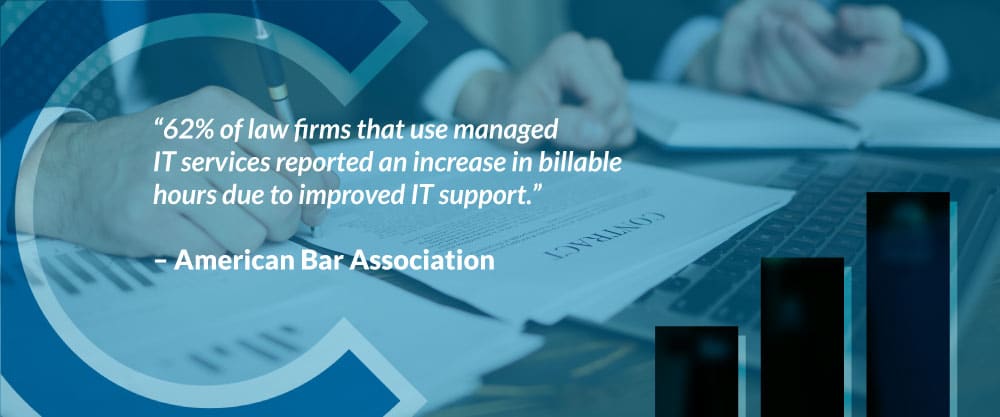
Almost 44% of small law firms fail to budget for IT, despite over 60% of respondents acknowledging that IT is a pressing concern.
– American Bar Association
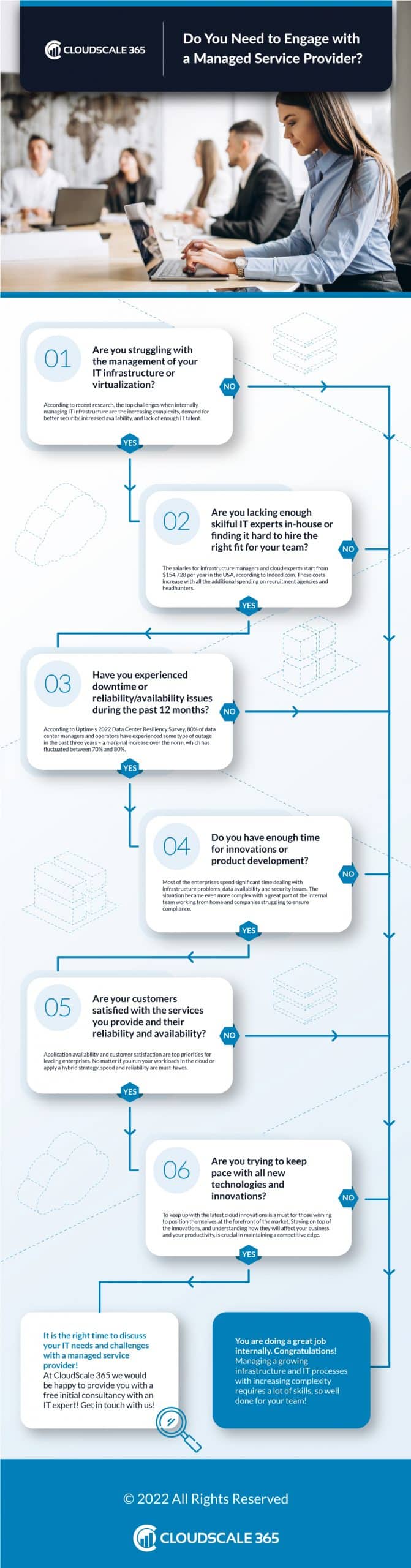
This is where Managed Service Providers (MSP) come in. An MSP can help store and protect your data from cyber threats. On top of that, they can make technology work for you so that your team can perform their tasks more efficiently, and you can focus on billable hours rather than struggling with tech problems. When engaging with a managed IT solution provider, you will receive e thorough assessment of your IT infrastructure and solutions. The next logical step would be strengthening your security regarding data and devices used in the company. And many more.
Top Challenges for Legal Companies when Dealing with Technology and What has changed
One of the most significant changes is the evolving legal landscape, which has impacted how law firms need to consider their relationship with technology. Legal companies must now consider various factors, including the need for secure communication that cannot become a subject of cyberattacks, data loss, and more. Additionally, a stable online presence has become essential as more and more law companies generate their clients online, and everything is going digital. Clients now prefer online consultations and need an online space to store their confidential data. As a result, legal companies must adapt to these changes to remain competitive and meet the needs of their clients.
Cybersecurity: As the number and sophistication of cybercrimes continue to grow, the threat to businesses is increasingly growing. Law firms are particularly vulnerable to such threats due to the sensitive and valuable data they manage and the outdated cybersecurity systems that many firms in the sector still employ. Cybersecurity requires extensive, long-term investment into your IT infrastructure and cybersecurity staff. This may be especially difficult for smaller law firms that might not have the necessary resources to provide adequate protection. MSPs can help law firms by providing a secure cloud to store and protect their data from cyber threats.
Clients’ data protection: Client expectations around data protection are also increasing. Clients are becoming more aware of the risks of having their confidential information reside on an attorney’s unprotected computer. Law firms must create protection policies that secure client data, which can be easy to do with the right tools. However, it is practically impossible if things aren’t set up correctly.
Law professionals expect a hybrid/remote model: The ability to work from anywhere is powerful, and it is also seen as something of a perq by attorneys. Today’s remote staff, need the same environment, whether in the office or remotely. Technology complexity should not distract them from the billable business. Even recruiters must have a story ready to sell potential new hires on how efficiently and effectively the firm’s IT infrastructure supports their ability to work remotely.
Compliance: Compliance is a significant challenge for law companies due to the constantly changing legal and regulatory environment. As new laws and regulations are introduced, law firms must ensure they meet all compliance requirements. This can be daunting, especially for firms operating in multiple jurisdictions with varying regulations. Additionally, the growing use of technology in legal services has increased the risk of data breaches and cyber attacks, making compliance even more crucial. To stay compliant, law firms must adopt modern technology and digital workplace solutions tailored to regulations and meet the needs of lawyers and clients. These innovative solutions ensure the secure exchange and storage of data and facilitate smooth communication between firm professionals and clients to enable more effective collaboration.
Increased Adoption of Managed IT Solutions from Legal Businesses
Managed IT services are becoming increasingly important for law firms to handle their IT needs. From simple issues like forgotten passwords to more serious problems like data loss and security breaches, a managed IT service provider can help ensure your firm runs smoothly and securely. Partnering with a provider offering 24/7/365 support can provide prompt assistance whenever needed. For law firms, data protection, secure communication, and smooth operations are crucial to success. Managed IT solutions can help achieve these goals by offering guaranteed secure email communication, remote management of mobile devices, eliminated downtime, improved security, a move towards the cloud and virtual IT services, a stable online presence to generate new business leads, full IT audit and recommendations, and support when you need it. In fact, according to a survey by Robert Half Legal, 59% of law firms are now outsourcing IT services to managed service providers to improve efficiency and reduce costs. By partnering with a managed IT services provider, legal professionals can ensure data security, privacy, and compliance, streamline eDiscovery and document management, and integrate digital technology with legal processes, ultimately improving the overall success of their firm.
As Your Single-Source Managed Service Provider, CloudScale365 ensures that your infrastructure runs smoothly and safely so you can focus on your core business.
Cloud/VPS: CloudScale365 provides law firms with scalable, reliable, and secure computing resources that can be accessed from anywhere at any time. This enables remote work and allows law firms to store and access sensitive data in a safe environment easily. Cloud/VPS services also offer cost-effective and flexible IT solutions on a pay-as-you-go basis, allowing law firms to optimize their IT infrastructure and decrease capital expenditures.
Microsoft Teams Collaboration: Today’s employees must connect with each other and their customers anytime, anywhere, on any device, via chat or audio and video calls and meetings. Employees must have real-time access to documents and workflows while ensuring the security of sensitive information. Managed Microsoft Teams from CloudScale365 provides a comprehensive solution that facilitates real-time collaboration and communication while adhering to industry regulations. With our service, law firms can improve productivity, streamline workflows, and collaborate securely from anywhere, at any time.
Mobile Device Management: In today’s world, mobile devices are the backbone of remote work. As your Managed Service Provider CloudScale365 helps secure these mobile devices and create a safe environment for remote workers to access their data from anywhere, anytime. With MSPs, law firms can ensure that their data is protected and not vulnerable to attacks.
24/7/365 Helpdesk: CloudScale365 offers 24/7 immediate reaction and fast helpdesk support to our clients. We understand that IT issues can occur anytime, and our team is always available online to provide quick solutions. This saves businesses money that they would otherwise spend on expensive IT teams, as they can rely on us to handle any problems that arise. As your trusted Managed Service Provider, we are dedicated to providing you with comprehensive support and fulfilling your every requirement.
Email Security: Law firms commonly use email for communication, making it vulnerable to cyber-attacks. CloudScale365 Email Security solutions protect sensitive information through various measures such as encryption, advanced threat protection, email filtering, and constant monitoring and support.
IT Audit and Assessment: IT Audit and Assessment services from CloudScale365 allow law firms identify potential security risks, assess your current IT infrastructure, and provide recommendations to improve the technology systems internally. This helps protect confidential client information from cyber-attacks and data breaches. By conducting regular IT audits, law firms can mitigate potential risks, increase productivity, and focus on their core business activities with peace of mind.
CloudScale365 is a reliable Managed Service Provider for law firms looking to improve their IT infrastructure and security. With our expertise, we build and implement customized solutions tailored to meet your business needs and goals. Our solutions are designed to reduce complexity and improve efficiency, allowing you to focus on what matters most – running your law firm.
Top Security Threats for Financial Service Providers and How to Avoid Them
Security threats for financial service providers! No doubt, one of the most common topics, and also one of the greatest issues and concerns for the technology world in the current decade.
While organizations and even entire industries are completing their digital transformation and switching to the Cloud, cyber-attacks are becoming more and more severe, and hackers – are more and more creative.
The greatest pressure to enable flawless security falls on those working with the most sensitive business and personal data, and very often – financial details. In this post, we are outlining the key security concerns for financial service providers and refer to solutions that help them protect their business.
Financial Service Providers in the U.S. Fall Under Strict Regulations
Customer data security and data breach resilience are key for any financial organization to operate in the majority of markets and territories. Here are some of the regulations that shape some strict requirements for banks, insurance companies, credit unions, mutual funds, wealth management providers and many more:
Every organization worldwide processing customer credit card details must follow this regulation to minimize the risks of credit card frauds and stealing the personal data of cardholders. The standards set rules for the processing, storage, and transfer of all sensitive data.
The Act requires financial institutions in the U.S. to protect customer data and honestly disclose all data-sharing practices with customers by establishing security controls and protecting customer information from any threats and potential breaches or losses.
The Federal Financial Institutions Examination Council (FFIEC)
This is a U.S. interagency body introducing uniform principles of best practices for financial institutions. It also outlines cybersecurity guidelines in its IT examination handbook infobase which are mandatory for all federally supervised U.S. financial institutions.
Another regulation is actually the main anti-money laundering law in the U.S. and relates to any financial institution accepting money from end customers. To avoid the compromise of internal financial processes, institutions should demonstrate readiness and planning for immediate recovery in case of a data breach.
This framework is mandatory and has been introduced by the U.S. Congress, setting up security standards to avoid fraudulent financial transactions by a number of internal checks. Recently, the framework has been updated with strict cybersecurity components to guarantee that financial organizations address cyber risks properly.
In general, it is all about flawless security and protection and the ability of financial organizations to predict and immediately act in case of a cyber threat to prevent significant losses.
With this type of attack, usually by email, a user is tricked into opening a message or following a link to a counterfeit page of a trusted provider or partner. Users can also be asked to fill in their credentials for the original platform, thus exposing their sensitive data to anonymous parties. Phishing emails often include attachments that can trigger malicious activity once downloaded on a device.
Ransomware
Another popular type of cyber attack against financial institutions and their users aims at locking out people from their computers or directories and asking for a ransom to restore access. It is not a surprise that a successful attack on a financial institution could potentially bring enormous returns for cybercriminals.
A distributed denial of service (DDoS) aims at initiating a significant number of simultaneous fake connection requests to a server or a website, thus provoking the inability of an organization to function normally.
Supply Chain Attacks
This type of cyber threat refers to malicious activities through third parties and vendors that become compromised. Attacks on supply chain providers can expose the data of numerous partners and organizations and of thousands or millions of end users at once.
How to Avoid Cyber Threats in the Financial Sector
While compliance with most regulations is mandatory, it could be insufficient for organizations to be fully protected against cyber threats evolving with time. Here are some steps you could do, regardless if they are on the list by law or if you want to go the extra mile in terms of security.
Introduce a zero-trust approach – Consider all network activity as malicious until proven the opposite. Focus on strict access management for all your sensitive data sources.
Take advantage of the cloud – Rely on public and private cloud solutions for finance organizations designed to guarantee 24/7 availability and a fully isolated environment for mission-critical data and workloads.
Add DDoS Protection – Protect your site’s stability and security with a DDoS solution, which identifies and blocks malicious traffic and attacks.
Consider a disaster recoverysite – Yes, unexpected disasters happen, but it is better if you have applied preventive measures to protect your infrastructure and ensure business continuity.
Enable constant monitoring of resources – Make sure you are aware of what is happening with your business and monitor key performance indicators at any time.
Never compromise – Choose a cybersecurity solution that includes everything you’ll need for protection — from antivirus, anti-malware, URL filtering and categorization, to vulnerability assessment, global threat monitoring, personalized alerts and reporting, and more. Get an experienced managed IT solutions provider, who can deliver the right set of security solutions based on a careful assessment.
CloudScale 365 enables all these and many more solutions for financial organizations to secure their activity. We help our partners protect sensitive financial data, prevent cyber threats, stay secure and compliant and, most of all, take care of clients and partners without exposing them to cyber risks.
If you would like to gain a competitive advantage for your organization through cyber protection, then let’s talk!
We offer free consultancy to evaluate an organization’s current security standards and suggest an individual solution for premium protection.
Do You Need to Engage with a Managed Service Provider – Infographic
An IT managed services provider (MSP) can help your organization access a highly skilled and dedicated IT team without it being an in-house resource. They can effectively manage your infrastructure and cloud demand and ensure your other crucial IT infrastructure runs smoothly. Although many companies prefer initially to take care by themselves of their IT environment, with the growth of the business, the complexity is increasing rapidly and you either need to recruit more IT people or outsource part of the activities externally.
The salaries for infrastructure managers and cloud experts in the USA are starting from $154,728 per year according to Indeed.com. These costs increase with all the additional spending on recruitment agencies and headhunters. So in reality maintaining a vast IT team internally may consume a significant budget and still does not guarantee that everything will run smoothly and with no downtime.
Engaging with an experienced managed service provider can help you solve some of the toughest IT challenges:
Increased complexity
Demand for better availability and security
Avoiding vendor lock-in
Paying thousands of USD for licenses
Staying compliant
In this infographic, the team of CloudScale 365 is helping you to find out whether it is the right time to engage with an MSP. Answer a few simple questions and find out!